-
Exhausted, But Present
As someone who consistently works 50-60 hours per week, in addition to having numerous other projects and interests, I certainly understand not having much free time. I also understand the feeling of being exhausted and just wanting to lie down. When you become a father, it’s not as easy, because a small child depends on you and wants some of your attention too, which they deserve. You can be a present father, even when you’re exhausted. The two things are not mutually exclusive.
There will be times when tiredness will take over, and you will have no choice but to sleep and get some rest. Don’t feel guilty about feeling this way and doing some self-care once in a while. Many dads feel guilty because they think they always have to be moving. Being present does not mean having unlimited time. It means treating the precious time you do have like gold. Carve out moments in the day to only spend time with your child and set boundaries with everything and everyone else. Even if you can’t give your child hours of attention, give them your full attention when it’s time to do so. A few minutes of memorable play is far better than hours of ignoring the child right next to you.
15 to 20-minute blocks can be highly valuable. Use these moments to shut out the rest of the world. Don’t think about work and definitely put your phone away. Sometimes being a good dad simply means you are tired, but you show up anyway. When I get home from work, I often only have short periods of time with my son, so I will use them wisely. We will play with his cars, go for a drive, walk around the block, get some ice cream, go swimming, or just watch some TV. Even if these occasions are short-lived, they are memorable for me. He may not recall them yet, but I feel like he’s getting to the age where he soon will.
There really is no negotiation here. If you want to be a present father, you must be deliberate about it. Regardless of how insignificant the activity is, it will mean a lot to your son or daughter to have you there with them. Your child does not need every last ounce of your energy. They simply need to feel that you are sharing some of your precious energy with them. My son is napping as I write this post, but I plan to take him for a nice drive later.
-
The Baby Comes Home
The last time you left home, it was probably just you and your wife/partner alone. Now, after two or three days, or however long the hospital stay was, you are walking down to your car, buckling your infant into their car seat, and driving home for the first time with baby in tow. During the drive home, you realize you are fully responsible for a tiny human who will rely on you fully for many years to come. Your life has officially changed.
The first night at home can draw out a range of feelings, like fear, exhaustion, stress, and excitement. Whatever the case, the moment will be unforgettable. While you may have thought you were prepared well enough, you may question yourself about many things. For instance, you may wonder if the baby is getting enough nutrition, if they’re sleeping too much or not enough, why you can’t get them to stop crying, or if you’re doing things right at all. It is certainly okay to have these thoughts, and it doesn’t mean you weren’t prepared enough. No matter how much preparation we do, babies do not come with an instruction manual, and we learn many things on the fly through experience.
The biggest change you may feel on the first night is the lack of sleep. I’m sure you already felt that during the few nights you were in the hospital. The days and nights will consist of feedings, diaper changes, soothing sessions, and watching the baby as they sleep to make sure they are still doing well. Soothing sessions can vary greatly. Sometimes the baby will feel better right away and fall back asleep. Other times, it may take several minutes. Or, it could take several hours. My wife and I often took turns trying to soothe our baby son and get him to sleep, and we were up several hours doing so. The best thing you can do is work as a team with your partner and take turns with these tasks while the other person sleeps. You will not get perfect sleep, but do the best you can and take advantage of short nap sessions.
Your main focus when returning from the hospital will be the baby and your partner. Don’t worry too much about cleaning the house, cooking, laundry, or doing any of that stuff. While having house chores pile up may drive you nuts, the priority is still the baby and each other. Don’t be too hard on yourself. Reach out to friends and/or family members who are willing to help, and don’t feel bad for accepting their help. Swallow your pride and realize that it’s for the good of your new infant and yourself.
With all of the chaos that may occur during your first night, make sure to take the time to soak things in. There will be moments of silence, like when your baby is feeding or comfortably sleeping in your arms. Use these instances to appreciate what you have. You and your partner brought a new life into this world. Store this in your memory bank. Pause as often as possible to fully take in what is happening. Days, months, and years from now, you will remember these special occasions. Oh, and don’t forget to take a lot of pictures.
Your first night at home is not about getting everything right, because you probably won’t. It’s about keeping your baby safe and secure and ensuring that their needs are taken care of. The ultimate goal from here on out is to show up, have patience, be kind, learn every day, and be consistent. Years from now, you may not recall how many times your baby fed or how many hours you slept. But you will remember the special moments you had with your child when you brought them home on that first night.
-
Fun Times
Just sharing some photos from a fun weekend! Thank you Smooth Alpaca Adventures in Golden, CO!

Feeding the Alpacas! 
They’re So Soft! -
An Interesting Moment With My Son
The other day, I had a moment with my son that really taught me something. I was helping him put together a toy rocket that I bought him a while back. At one point, he took part of it and set it on the table across the room. I asked him to bring it back to me, but he didn’t. I asked him again, and just like before, he ignored the request. The third time, I raised my voice and asked him again. He stared at me and looked confused with a little bit of a frightened stare. At that point, I took a deep breath, paused momentarily, and politely asked my son to please pick up the rocket, which he did. Then I asked him politely to bring it to me, and he did. I hugged him and told him he did a good job.
What does this all mean? Sometimes it’s better to handle the situation calmly, and in most instances, you’ll feel better afterward, especially if you get the intended result. The scared look on my son’s face immediately told me I should handle this situation differently, which I did. Lo and behold, it worked. I’m genuinely happy it did and will try to remember times like this in the future. While this moment may seem small and insignificant, it taught me a nice lesson about how calmness can often get the results you want, more so than losing your temper.
-
More Than a Provider
For a long time, fathers were simply looked at as providers. They were someone who paid the bills, provided safety and security, worked long hours, and kept everything moving forward. If time permitted, they may spend a few minutes with the kiddos before everyone goes to bed. Fathers loved their children but may not have been involved in all the intricate details of raising them. While being a provider is not something to be shunned or overlooked, it paints a partial picture of what fatherhood can be.
Children will not just remember who bought them fancy toys or provided them a safe place to call home. They will also remember who played with them, read their favorite stories to them, experienced adventures with them, and showed up for them when they needed it the most. Fathers are not just there to provide resources, but to give emotional support, encouragement, guidance, love, and affection. A child may not remember an expensive vacation or toy, but they will remember playing with their dad in the yard or their father standing next to them during an amazing experience.
Being present for your child is an investment, and just like anything else, it requires effort, but it’s worth it. It requires putting down the phone during important moments. Even the small moments are important, like your child eating dinner or playing with their favorite toys. Being present means you are genuinely interested in your child. When they speak, listen closely without immediate judgment. Be involved in their everyday routines. Create small traditions as they grow up, like reading a book before bedtime or going to the park every Saturday morning. Do your best to honor commitments because children won’t forget broken promises, especially when it becomes a routine.
Many parents will continue the traditions of their own parents, which can be positive or negative, depending on the situation. If you had a father who was not present, but simply acted as a provider, you may want to break that cycle, and it’s up to you to do so. Look back on your life and decide which aspects you want to take from your parents and which you want to change. Show your kiddos that love can be shown through both words and actions. The greatest legacy you can leave behind is having a child who knows they were loved.
-
A New Dad’s Guide to Setting up a Nursery
The goal of a nursery is to create a welcoming, calming, functional, and safe space for your baby. It’s important to set up a nursery prior to a baby’s arrival, and you don’t have to spend an arm and a leg to do so. That being said, don’t risk your child’s safety and health in order to save a buck. Here are some helpful tips for setting up your nursery:
- Safety is crucial
- Get a crib that meets current safety standards.
- The placement of the crib is important, so avoid placing it near any windows, cords, or blinds.
- Keep the crib empty. No blankets, pillow, stuffed animals, or toys. These are all potential choking and suffocation hazards for your child. These items can be added later as the child gets older.
- Anchor and dressers, shelves, cabinets, and anything else that has the potential to tip over.
- Install smoke and CO detectors.
- Choose the essentials
- A crib with a firm mattress and fitted crib sheets. Obviously, no loose sheets or blankets.
- Sturdy changing table at proper height with appropriate safety straps or barriers.
- A comfortable rocking chair. (Great for if the mom is breastfeeding, pumping, or while rocking the baby to sleep)
- Diaper pail or bin.
- Soft nightlight and a white noise machine.
- Baby monitor. (Perhaps even a camera)
- Organize the room for convenience
- Label the baskets and drawers so you can easily find what you need.
- Keep diapers, wipes, and extra clothes within arm’s reach. Before the baby arrives and you’ve set up the nursery, practice changing a diaper by standing by the changing table and making sure everything is accessible.
- Store clothing based on sizes, so you can easily move from bin to bin as your baby grows up, which will happen quickly.
- Consider sleeping comfort
- Install blackout curtains, as your baby will be sleeping at all hours of the day, and so will you.
- Consider a white noise machine. Ours played calming music of different varieties.
- Maintain a comfortable temperature level in the room.
- Have dimming lights for nighttime feeding and diaper changes.
- Make the room feel personal
- Add some nice artwork. We have some motivational quotes in our nursery.
- Family photos, and add photos of the baby as they grow.
- A growth chart.
- A favorite blanket that should only be used during supervised moments outside of the crib. My mom knitted our son a blanket.
- Some children’s books that you can start reading to the kiddo.
Remember that your nursery does not have ot be perfect, especially at the beginning. Your baby will not know or care whether their nursery is social media-ready. Once again, it just has to be safe and comfortable. Of course, maybe you or your partner care about perfection, and if that’s the case, knock yourselves out.
As a dad, walk around the nursery multiple times and inspect it. Feel the temperature, observe the surroundings. Make sure it meets proper standards. Most of all, get ready to welcome your new little one into the room.
- Safety is crucial
-
Happy Independence Day, 4th of July!
Happy 4th of July to all of my members from the USA! Hope you get to spend quality time with your families and kiddos. Take this day to create to lasting memories for everyone!
-
A Father’s Fear
Growing up, I always remembered not fearing death. It’s not that I didn’t want to live; I just never worried or even thought about not being here any longer. After becoming a father, these thoughts changed drastically. I now have a fear of dying, but not so much for myself. If I’m here one day and gone the next, it won’t really affect me, and I don’t care in that regard. However, I do fear what my children and family will go through once I’m not around. Will my child be a part of a world that loves, supports, and understands him? Will he be able to take care of himself and deal with what life throws at him? Will I have done enough to set him up for success, financially and otherwise?
These are the thoughts that run through my mind on a regular basis, and yes, they do scare me. The best thing I can do is take care of myself so I can be around for my son as long as possible. I vow to do my best to raise him to be a good, kind, and strong person. When the day comes, when I am no longer around, my wish is that my kiddo will be able to walk this earth, create success, and live a happy life without me. I pray that day is still very far away.
This is a father’s fear. This is my fear. How do I get over it? I simply have to find enjoyment in the present moment and try not to overthink things, which is much easier said than done. I hope this post wasn’t too dark. Your thought processes will change once you become a parent, but I urge you to live in the present as much as possible and know that I understand your fears too. Please reach out to me if you want a listening ear.
-
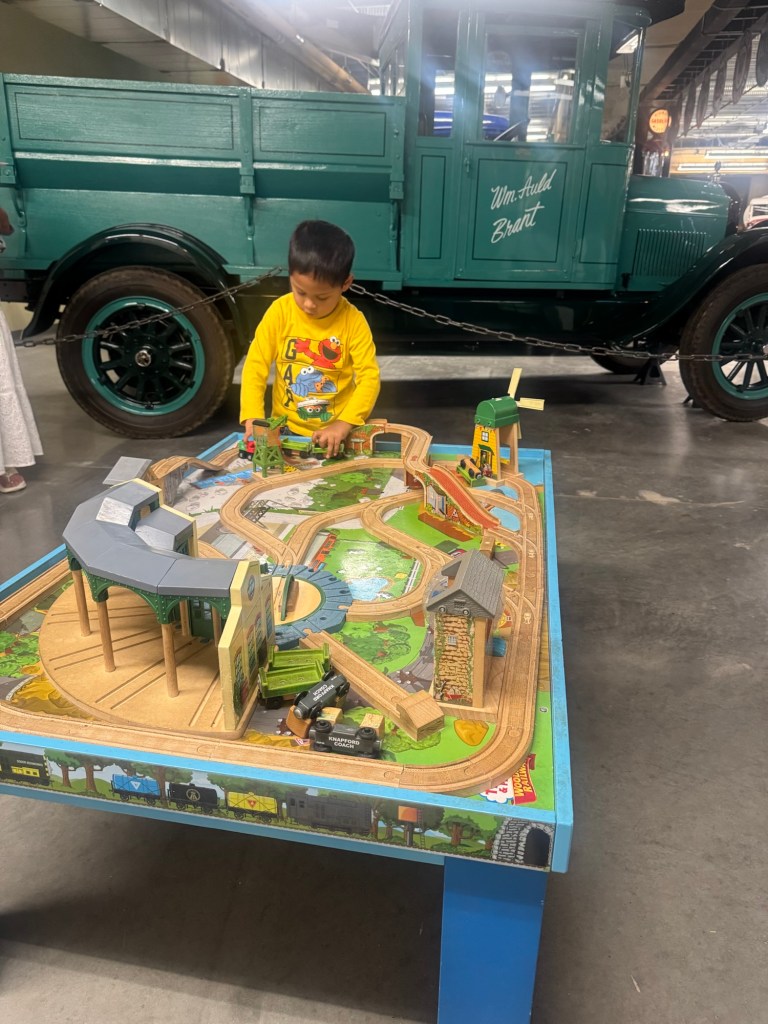
A Child’s Joy
As a father, watching your child find joy in the little things is priceless.
-
Family Time
Hey everyone! We’ve been on vacation for the past week, so haven’t posted. Looking forward to making more posts when we are back. Always take the time to enjoy moments with your family. Your kiddos may not always remember all of the intricate details, but they will remember how they felt when they were with you.

New Dad Series

